
What exactly defines a medical spa versus a traditional spa
At their core, medical spas and traditional spas represent two fundamentally different approaches to wellness and beauty treatments. Understanding these distinctions is crucial for making informed decisions about your skincare and wellness journey.
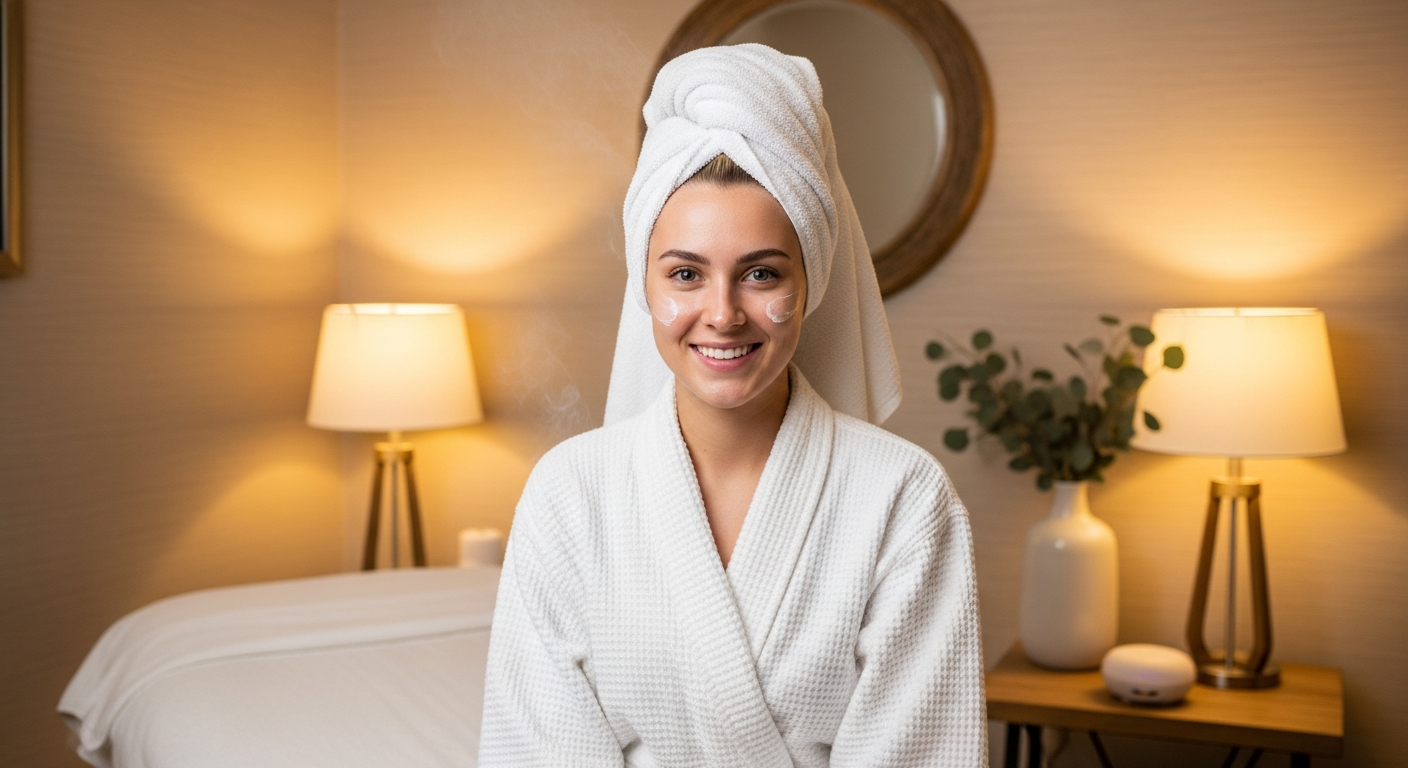
A traditional day spa is primarily focused on relaxation, pampering, and general well-being. These establishments provide a serene, calming environment where clients can unwind, de-stress, and indulge in services of luxury and self-care. Common offerings include facials, body scrubs and wraps, massages, aromatherapy treatments, manicures, pedicures, and waxing. The philosophy centers around temporary wellness benefits and creating a sanctuary for relaxation.
In contrast, a medical spa represents a unique hybrid facility that combines the relaxing ambiance of a traditional spa with the advanced technologies and expertise of a medical clinic. These facilities offer a more clinical approach to beauty and wellness, with treatments often requiring medical supervision and targeting specific skin concerns for long-lasting, transformative results.
The regulatory framework creates the most significant distinction between these two types of facilities. Medical spas must be overseen by a licensed medical professional, such as a Medical Doctor (MD), Physician Assistant (PA), or Nurse Practitioner (NP). This medical oversight is not just recommended—it's legally required for med spas to operate and offer their advanced treatments. Traditional spas, however, operate under beauty and wellness regulations without requiring medical supervision.
This regulatory difference has profound implications for the legal scope of treatments each facility can offer. Medical spas can legally provide procedures like Botox injections, dermal fillers, laser treatments, medical-grade chemical peels, and other interventions that penetrate deeper into the skin or involve medical devices. Traditional spas are legally restricted to superficial, non-invasive treatments that don't require medical expertise.
The atmosphere and philosophy of each facility type reflects these fundamental differences. While medical spas maintain a comfortable, spa-like environment, they incorporate clinical elements necessary for medical procedures. Traditional spas focus purely on creating a peaceful, luxurious atmosphere with aromatherapy, soft music, and dim lighting designed for maximum relaxation and stress relief.
How medical supervision changes the treatment landscape
The presence of medical supervision fundamentally transforms what's possible within a spa environment, creating a clear dividing line between what medical spas and traditional spas can legally and safely offer. This oversight isn't just a regulatory formality—it's the cornerstone that enables advanced, results-driven treatments that go far beyond surface-level pampering.
In medical spas, licensed medical professionals such as Medical Doctors (MDs), Physician Assistants (PAs), or Nurse Practitioners (NPs) provide direct oversight of all procedures. These healthcare providers bring years of medical training and expertise in anatomy, physiology, and skin pathology. Working alongside them are medical aestheticians and registered nurses who have specialized training in advanced procedures and can handle medical-grade equipment safely.
Traditional spas, by contrast, are staffed by licensed estheticians and massage therapists who specialize in wellness and relaxation techniques. While these professionals are highly skilled in their domains, they lack the medical training necessary to perform invasive procedures or handle potential medical complications that might arise during treatment.
This difference in staffing credentials directly impacts the consultation process. Medical spas conduct comprehensive medical assessments that include reviewing your health history, current medications, skin conditions, and potential contraindications. This thorough evaluation ensures treatments are not only effective but safe for your specific medical profile. Traditional spas typically focus on preference-based discussions about relaxation goals and comfort preferences.
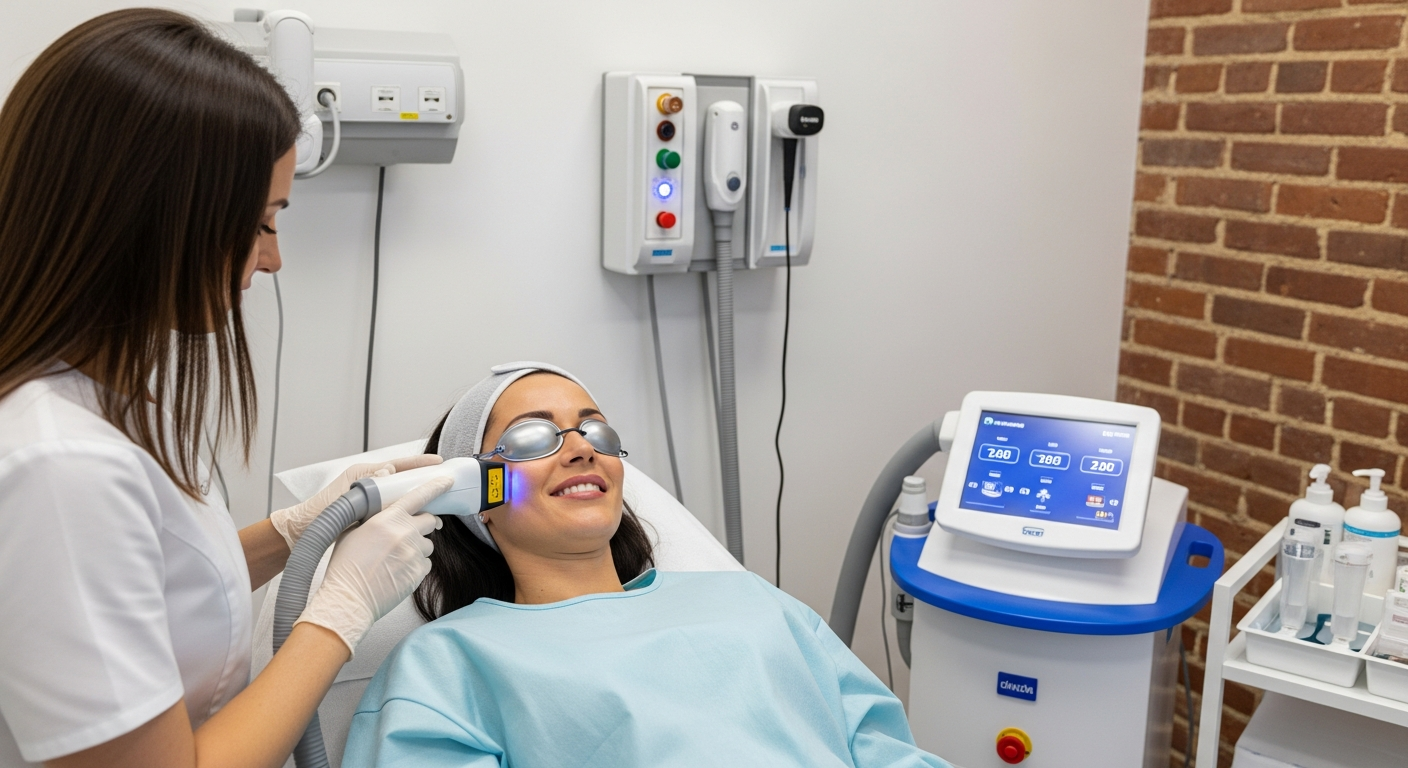
The medical supervision also enables deeper, more invasive procedures that can address complex skin conditions requiring medical expertise. Treatments like laser resurfacing, injectable procedures, and medical-grade chemical peels all carry inherent risks that require medical professionals to monitor and manage. Should complications arise—such as adverse reactions to injectables or unexpected responses to laser treatments—medical spas have the trained personnel and emergency protocols in place to respond appropriately.
This level of oversight also allows for highly customized treatment plans based on clinical assessments rather than general wellness goals. Medical professionals can diagnose underlying skin conditions, prescribe medical-grade products, and create comprehensive treatment protocols that address specific dermatological concerns with precision and safety.
What treatments and services you can expect at each facility type
The medical supervision discussed in the previous section directly enables the advanced treatment offerings that distinguish medical spas from traditional facilities. This oversight allows med spas to provide medical-grade procedures that penetrate deeper skin layers and deliver transformative results.
Medical spas offer sophisticated treatments including Botox and dermal fillers for wrinkle reduction and volume restoration, with results lasting 3-18 months. Laser therapies encompass hair removal, IPL photofacials for pigmentation correction, and skin resurfacing treatments that require 7-14 days recovery time. Medical-grade chemical peels use higher concentrations of active ingredients than day spa alternatives, creating controlled skin shedding for dramatic rejuvenation. Microneedling with PRP therapy stimulates collagen production at cellular levels, while CoolSculpting body contouring permanently eliminates fat cells through cryolipolysis technology.
Traditional spas focus on surface-level relaxation services including therapeutic massages, basic facials using gentle products, aromatherapy treatments, body wraps for temporary skin tightening, and standard manicures and pedicures. These services provide immediate comfort and temporary improvements without downtime, typically lasting hours to days.
The fundamental difference lies in treatment depth and duration. Medical spa procedures work at dermal and subcutaneous levels, requiring multiple sessions for optimal results and potential recovery periods. Traditional spa treatments remain superficial, offering instant gratification and stress relief without medical intervention or lasting structural changes to skin tissue.
When to choose a medical spa over a traditional spa for your goals
Your wellness goals should be the primary driver when choosing between a medical spa and traditional spa. Understanding which facility aligns with your specific needs ensures optimal results and satisfaction.
Medical spas excel for transformative goals requiring advanced interventions. Choose a med spa when dealing with anti-aging concerns like deep wrinkles, volume loss, or skin laxity that demand treatments like Botox, dermal fillers, or laser resurfacing. Complex skin conditions such as persistent acne, melasma, or rosacea benefit from medical-grade treatments and physician oversight unavailable at day spas.
If you're seeking permanent hair removal, pigmentation correction, or scar reduction, medical spas offer FDA-approved laser technologies that deliver lasting results. These facilities are ideal when you need corrective treatments or long-term skin health improvements that require multiple sessions and clinical monitoring.
Traditional spas are optimal for maintenance and wellness. Choose a day spa for stress relief, relaxation, general pampering, or when you need temporary wellness benefits without medical intervention. They're perfect for routine facials, massage therapy, or when your primary goal is unwinding rather than addressing specific skin concerns.
Consider your age, skin type, and lifestyle when deciding. Younger clients with basic skincare needs may find traditional spas sufficient, while those with sun damage or aging concerns often require medical spa expertise. Budget and time investment also matter—medical spa treatments typically cost more but deliver longer-lasting, more dramatic results.
Essential questions to ask before booking your appointment
Once you've determined whether a medical spa or traditional spa aligns with your goals, asking the right questions before booking ensures you choose a safe and reputable facility that meets your expectations.
For medical spas, start by verifying that a licensed medical professional—such as an MD, PA, or NP—supervises all treatments. Ask about staff credentials: "What training do your practitioners have?" and "Are your nurses certified in the specific procedures I'm considering?" Inquire about the FDA approval status of equipment and technologies used, as reputable facilities invest in cleared devices.
Understanding the consultation process is crucial. Ask: "Will I receive a personalized treatment plan?" and "How do you handle complications or adverse reactions?" Request transparent pricing information, including any package deals or financing options available.
For traditional spas, focus on therapist certifications and product quality. Ask about hygiene protocols: "How do you sanitize equipment between clients?" and "What brands of products do you use?" Inquire about service customization options to ensure treatments match your skin type and preferences.
Red flags to avoid include unlicensed providers offering medical treatments, unrealistic promises about results, or facilities that won't provide clear pricing upfront. Research online reviews, check licensing boards, and carefully read contracts before signing. Remember that insurance rarely covers aesthetic treatments, so understand your total investment and expected outcomes before committing.